Ergonomic Tools That Actually Help (And Why They Matter)
If you spend most of your day sitting, standing, or working at a computer, your body is adapting to that environment. Unfortunately, these adaptions aren’t always conductive to pain-free living. That’s where ergonomic tools come in handy!
The goal of ergonomic tools isn’t to “fix” your posture overnight. It’s to reduce strain, support natural movement, and make better positioning the default. We love using ergonomic tools in the office and at home, and decided to put together a list of some of our favorites. In this post, you’ll find the ergonomic tools we most often recommend, as well as info on what they do and who they’re best for.
Affiliate Disclosure: Our clinic participates in the Amazon Associates Program. Some links on this page may be affiliate links, which means we may earn a small commission if you make a purchase through them, at no additional cost to you. We only recommend products that we believe may be helpful for our patients’ health and wellness and have compiled them here for easy reference. Please let us know if you have any questions about our participation in this program, or the products listed. As always, we’re here to help!
Here’s What Made Our List:
SEAT CUSHIONS
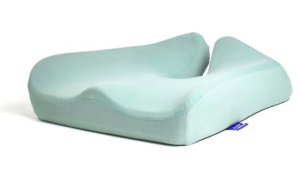
Seat cushions are designed to reduce pressure through the hips and tailbone, especially during long periods of sitting.
They’re particularly helpful if you:
- Feel sore or numb after sitting
- Shift positions constantly trying to get comfortable
- Sit on a firm or unsupportive chair
Most ergonomic cushions slightly tilt the pelvis forward, which can help you maintain a more neutral spine without forcing it.
We’re especially fond of the Cushion Lab brand due to its premium design and dense-yet-soft feel. Plus, the “wellness green” color is a pretty teal that looks like the seat cushion a merperson would use if merfolks had to sit in traffic or work long hours at a desk!
Link to our Recommended Seat Cushion
LUMBAR SUPPORT PILLOWS
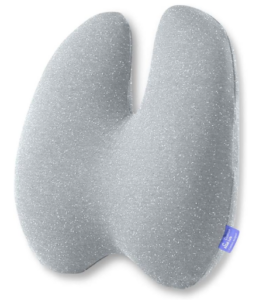
A lumbar pillow supports the natural curve of your lower back.
Without that support, it’s very easy to collapse into a rounded posture, especially as the day goes on.
Best for:
- Desk workers
- Drivers
- Anyone who notices their posture “slipping” over time
A good lumbar support should fill the space behind your lower back, not push you forward or feel imposing.
We sell the standard McKenzie rolls in the clinic, so try one out next time you’re here.
If you want to invest a little more upfront, once again, we recommend the Cushion Lab brand. It provides more surface area support than a typical lumbar roll, so you get upper-mid back support in addition to lumbar support. And as always, it has that dense, high-quality memory foam that Cushion Lab products are known for.
Link to our Recommended Lumbar Support Pillow
ADJUSTABLE DESK RISERS
Desk risers convert a sitting desk into a standing workstation. Our front desk staff uses these, and it’s been a great way to provide standing desks in an area that would otherwise be unable to support a standing desk (like the built-in desks you’ve seen at our office).
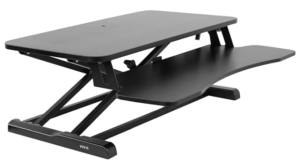
They’re also a great entry point if you’re not ready to invest in a full standing desk.
The biggest benefit isn’t just standing—it’s changing positions throughout the day.
Even rotating between sitting and standing a few times can reduce stiffness and fatigue. Most of these work using a hydraulic system. You hold a lever and the desk goes up or down. It’s also great for customizing your sitting position, something especially important for those of us who may have body proportions that don’t match with mass-produced desks.
Link to our Recommended Adjustable Desk Riser
STANDING DESKS
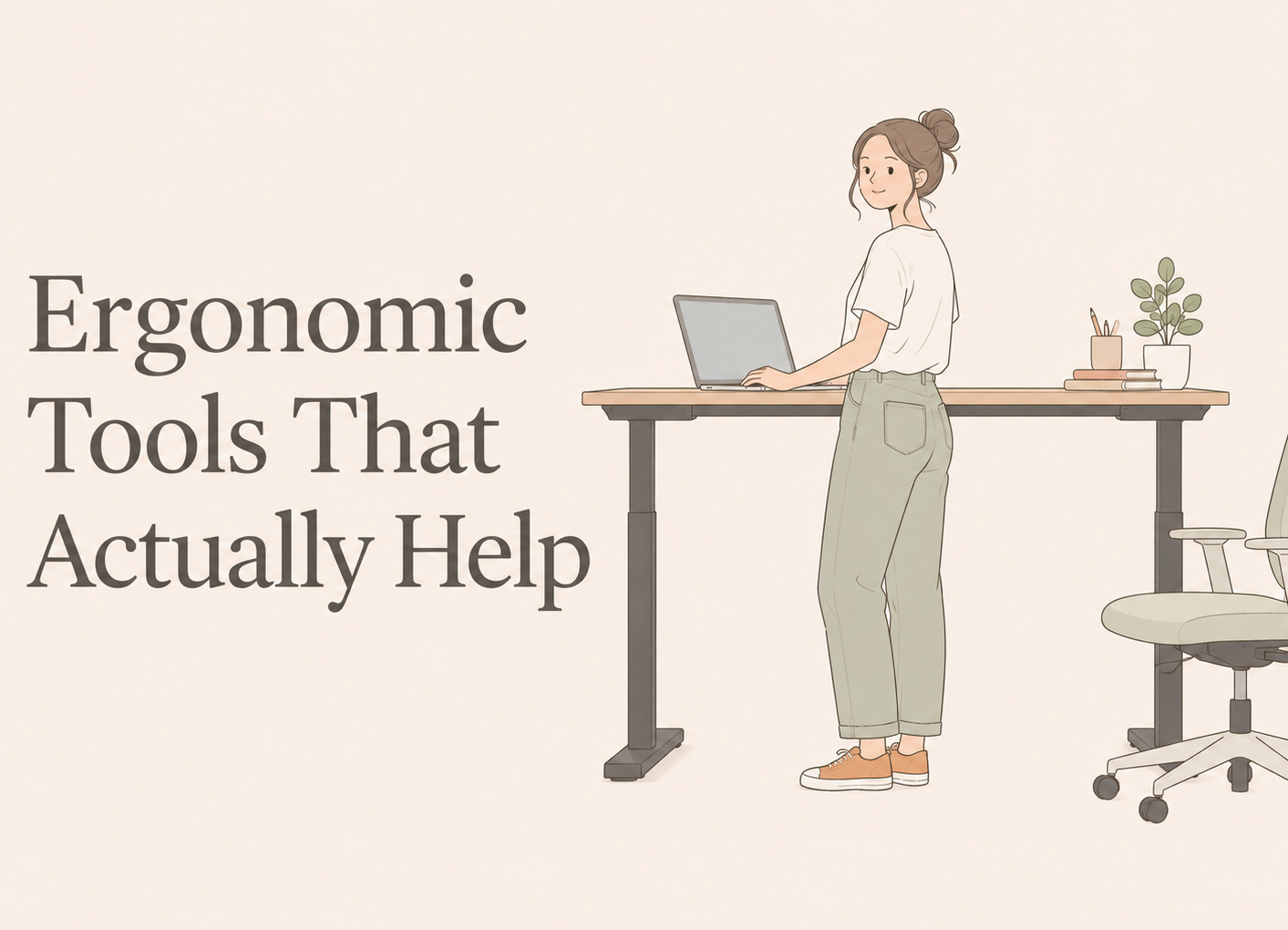
Next up we have standing desks aka the full-commitment edition of the desk riser.
Standing desks allow for full control over your working height.
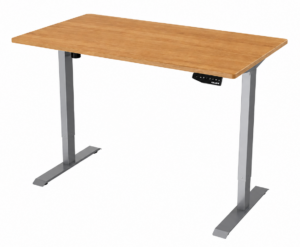
But standing all day isn’t the goal.
What we actually recommend is alternating positions:
- Sit for focused work
- Stand for lighter tasks or calls
- Move regularly in between
Used this way, standing desks can help reduce prolonged strain on the lower back and hips.
And similarly to the desk riser, when used in the sitting position, the standing desk allows you to find that sweet spot to have the correct posture when you’re sitting at your desk, rather than sitting at a desk that’s too low or high.
Link to our Recommended Standing Desk
ANTI-FATIGUE MATS
Did you get the standing desk? Ok, well, now you need an anti-fatigue mat 😉
Anti-fatigue mats are crucial if you’re standing more.
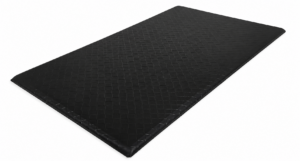
They’re designed to reduce physical fatigue, leg/back pain, and joint stiffness caused by long-term standing on hard surfaces (like concrete). They work by encouraging subtle, microscopic movements in leg muscles (a “swaying” motion) which increases blood circulation and prevents blood from pooling in the legs
That “swaying” movement helps:
- Reduce pressure on joints
- Improve circulation and posture
- Prevent the “locked knees” feeling from standing still
These are useful beyond the office. They’re often used in workplaces where employees stand for long periods of time (like retail checkout stations), but they’re also great in the kitchen.
Link to our Recommended Anti-Fatigue Mat
ERGONOMIC COMPUTER MOUSE
A standard mouse puts your wrist in a rotated position for hours at a time.
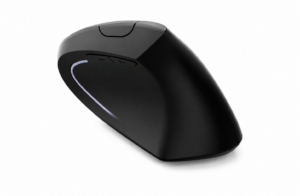
Ergonomic mice are designed to keep your hand in a more neutral position, which can reduce strain through the wrist, forearm, and even the shoulder.
Best for:
- Wrist discomfort
- Forearm tightness
- Repetitive use (design, admin, data entry)
They’re a little strange at first, but once you get used to them, you won’t want to go back to the standard design. At least, that’s been my experience!
Link to our Recommended Ergonomic Mouse
UNDER-DESK FOOTRESTS
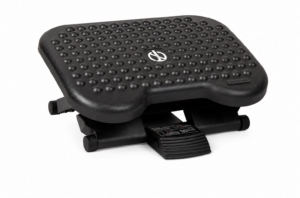
Footrests and under-desk stools help position your hips and knees more comfortably—especially if your feet don’t rest flat on the ground.
They can:
- Reduce pressure on the lower back
- Support better sitting alignment
- Encourage subtle movement (especially rocking styles)
This is one of the most overlooked ergonomic fixes.
Some, like the one we’re suggesting, are adjustable, so you can get the positioning just right.
Link to our Recommended Under-Desk Footrest
WHEELCHAIR CUSHIONS
These cushions are designed specifically for individuals who use wheelchairs, with a focus on long-duration comfort and pressure relief. They help distribute weight more evenly and support skin integrity during extended periods of sitting.
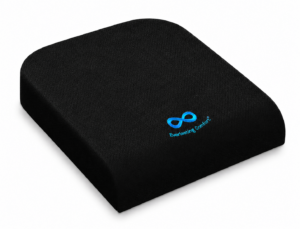
They’re often more structured than standard seat cushions and can be helpful for:
- Chronic sitting discomfort
- Tailbone sensitivity
- Long workdays with minimal movement
If you are a wheelchair user, you may like this cushion more than the Cushion Lab since it’s larger and has been designed with wheelchair sizing in mind.
Link to our Recommended Wheelchair Cushion
What Actually Makes a Difference
No single product fixes back pain, just like no single adjustment or massage will fix pain once and for all.
What does help is:
- Supporting your body in a neutral position
- Reducing pressure points
- Changing positions regularly
Ergonomic tools work best when they make those habits easier—not when they try to replace them.
A Quick Way to Start
If you’re not sure where to begin:
- Start with lumbar support + seat cushion
- Add movement (standing, walking, stretching)
- Upgrade your workstation gradually
Small adjustments done consistently will always beat a perfect setup that you don’t use.
And Don’t Forget to Support Your New Setup with Hands-on Care!
Ergonomic tools help reduce daily strain, but they don’t always address the tension or stiffness that’s already there.
That’s where chiropractic care and massage come in! They complement your setup by helping improve joint movement, relieve muscle tightness, and make it easier to maintain better posture throughout the day.
Combined with a supportive workspace, this can lead to more consistent, longer-lasting relief.
Now let’s put that new ergonomic mouse to the test. Click below to schedule an appointment!
(The information on this blog is for educational purposes only and is not a substitute for professional medical advice, diagnosis, or treatment.)